Health in focus – together across borders
Research, practical support, and experiences from different countries
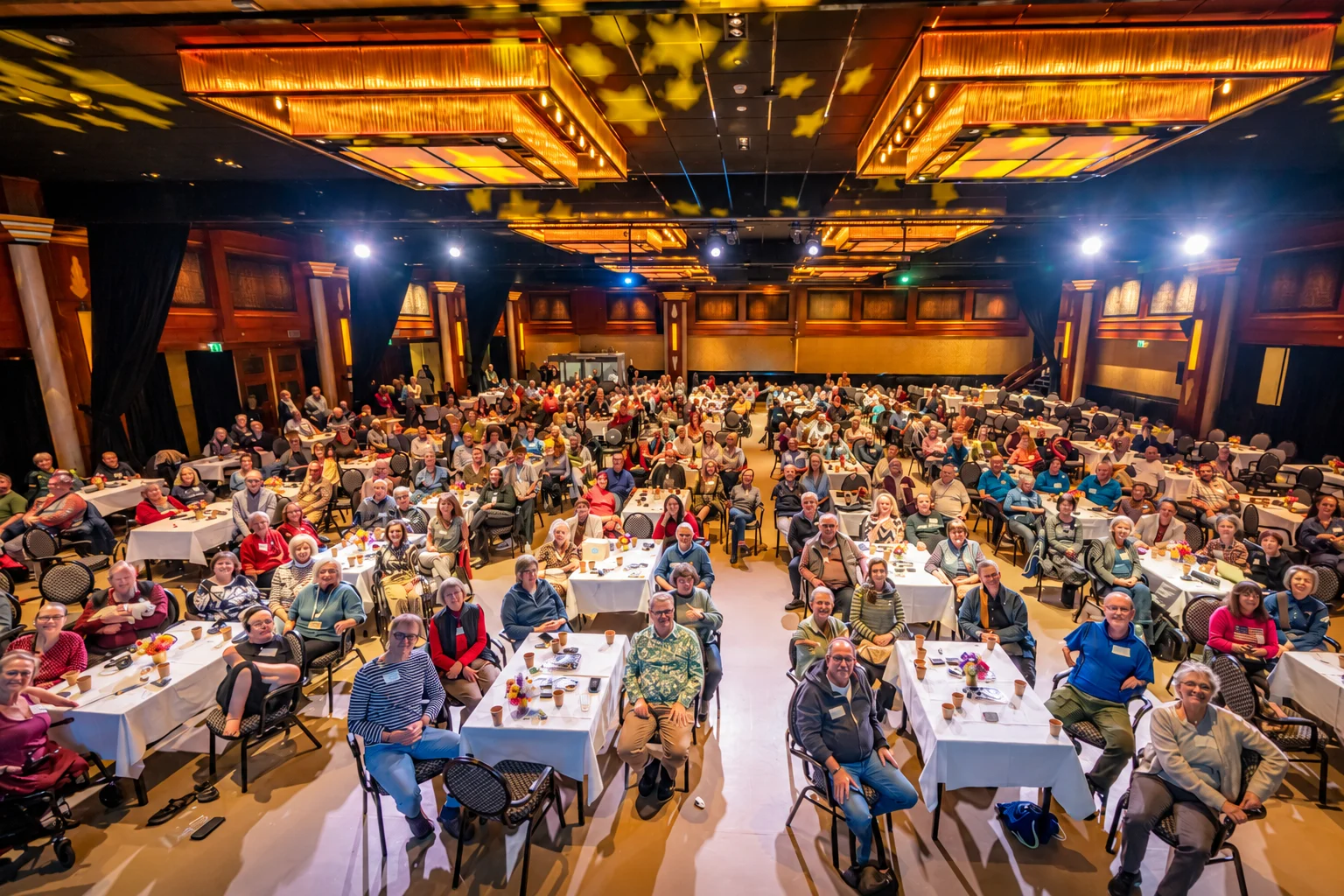

How can medical care for people with Thalidomide damage be improved? The second day of the “Egmond Circle” congress focused on new research, practical support, and experiences from various countries.
When expertise is missing in an emergency
A man suffers a stroke – but his symptoms are not initially recognized. Using this case, Prof. h. c. Dr. Stephan Martin, head of the MMK at DIAKOVERE Annastift in Hanover, demonstrated the consequences that a lack of knowledge about Thalidomide damage can have. He advocated for better emergency care and international cooperation. Surgeries also need to be carefully prepared: Which movements are indispensable in everyday life? What aids will be needed afterwards?
Specialized medicine and new research
Prof. Dr. Klaus M. Peters, as director, introduced the Multidisciplinary Medical Competence Center (MMK) at the Dr. Becker Rhein-Sieg-Klinik in Nümbrecht. There, various specialties work together to treat consequential damage, chronic pain, and age-related illnesses in particular. Specialized care is also being further developed at the University Hospital of Cologne.
A major study presented by PD Dr. Carsten Gietzen from the University Hospital of Cologne is investigating the state of the heart and blood vessels in people with Thalidomide damage. Ultrasound and contrast-agent-free MRI are intended to help better identify health risks. The study runs until 2028; further participants are being sought.
Reports from Ireland and Japan
Marie Kehoe‑O’Sullivan provided insights into care in Ireland. There, the National Thalidomide Advocacy Office supports survivors with medical and social issues. Offerings include regular check-ups and access to health services regardless of income. One challenge remains bringing specialized knowledge into primary care.
Yukari Masuyama reported from Japan on how difficult it is there to receive continuous treatment tailored to Thalidomide damage. After a visit to Germany, she founded the “One Team” initiative in 2024. Through it, she advocates for better access to healthcare and the rights of survivors. In Egmond, she called for sharing knowledge and experiences across borders.
What helps in everyday life
How can pain be relieved and falls avoided? The workshop led by Prof. h. c. Dr. Stephan Martin and his team from Hanover focused on targeted training, individual aids, and various treatment options. A practical tip: Even before a fall occurs, think about and, if possible, practice how to get back up – and how helpers can provide the right support. Further workshops and focus groups offered space to delve deeper into health and personal questions.
Whether emergency care, research projects, or everyday help: The second day of the congress made it clear how valuable the knowledge of the survivors themselves is. Networking this knowledge internationally and making it usable for medical care is one of the central goals of the “Egmond Circle”.
Similar and also interesting
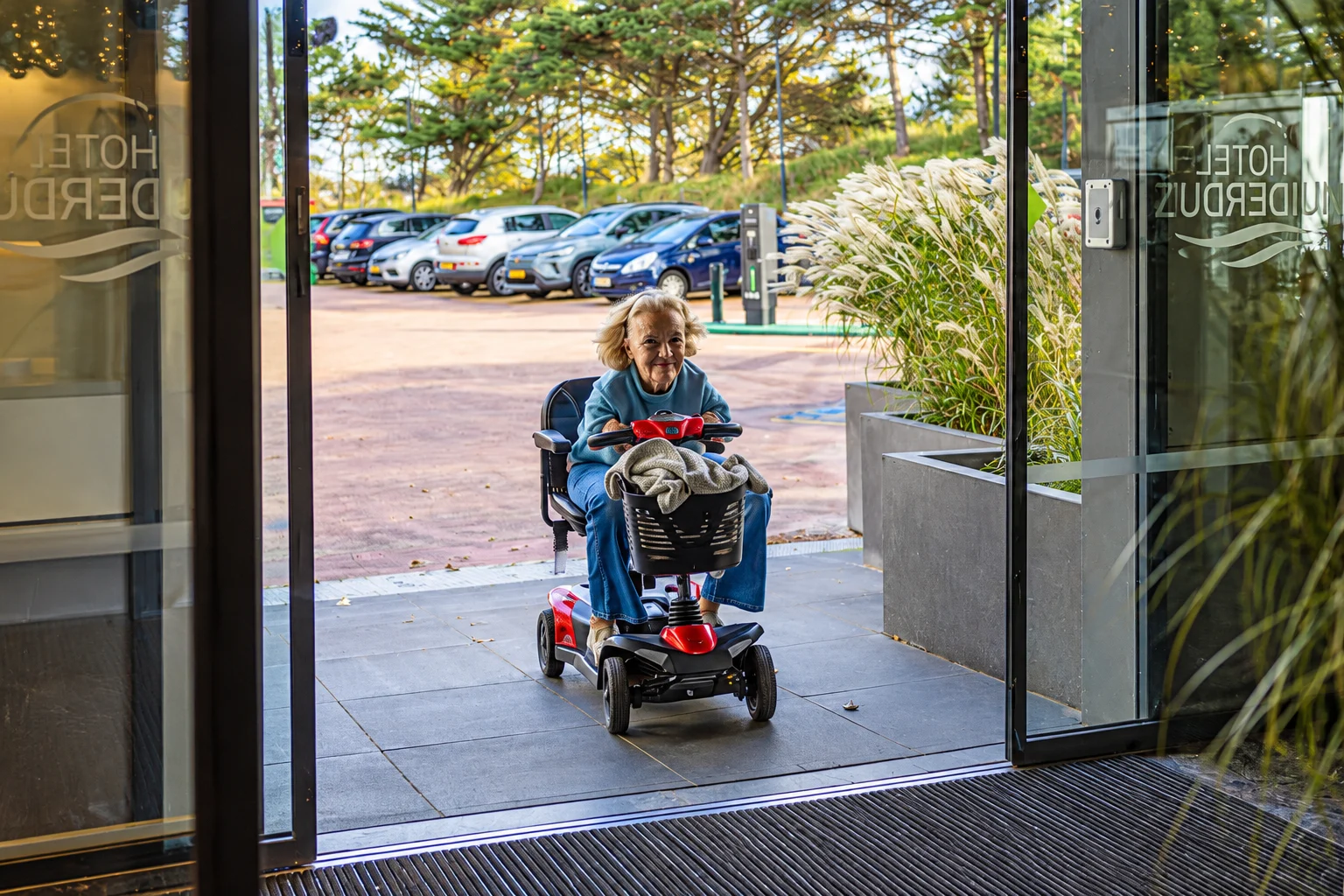
Egmond Circle – Voices and Impressions
Bianca Vogel-Schmidt mingled with the participants, capturing personal stories, thoughts, and experiences.
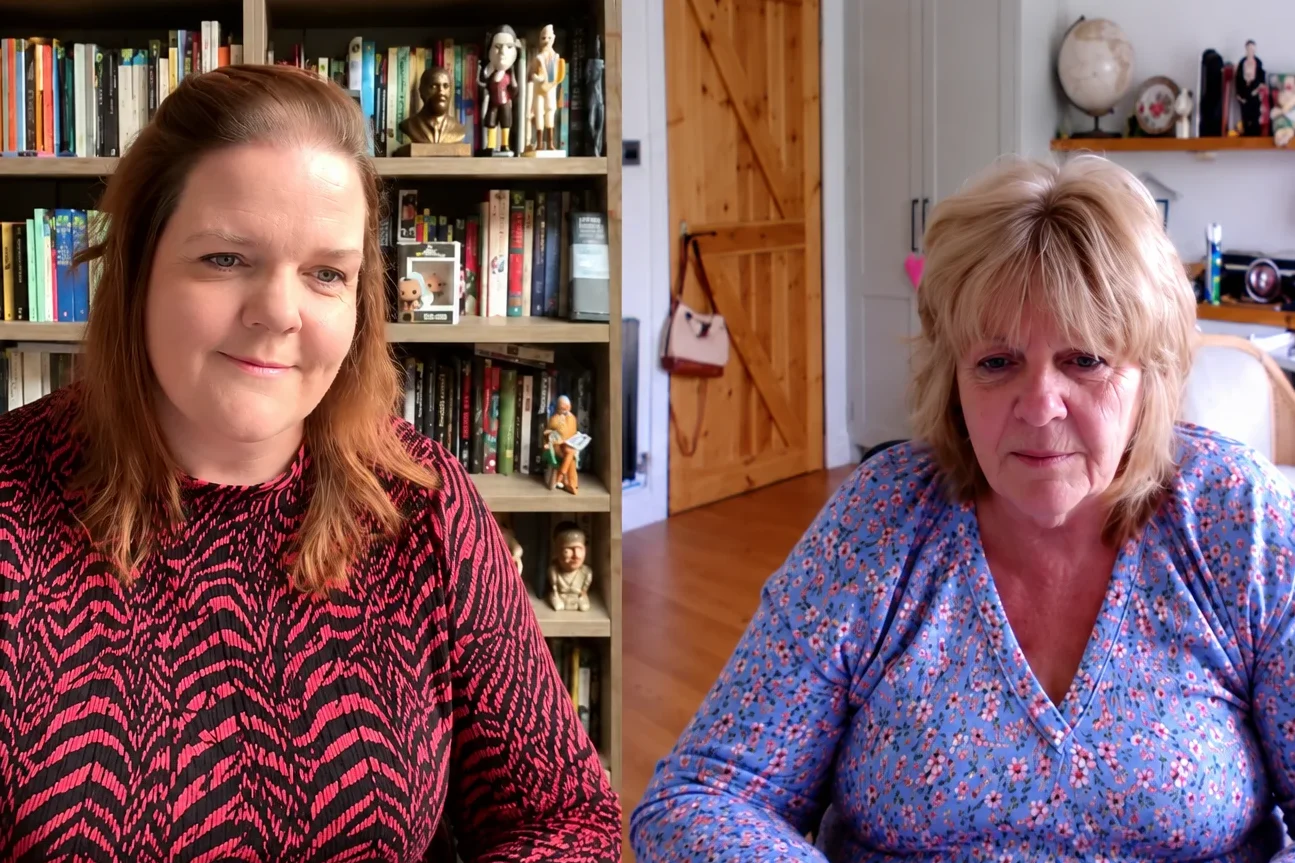
Assistance: Well supported – living self-determined
In the workshop “Your Support Network” on October 29, 2026, Geraldine Freeman presented different pathways to support
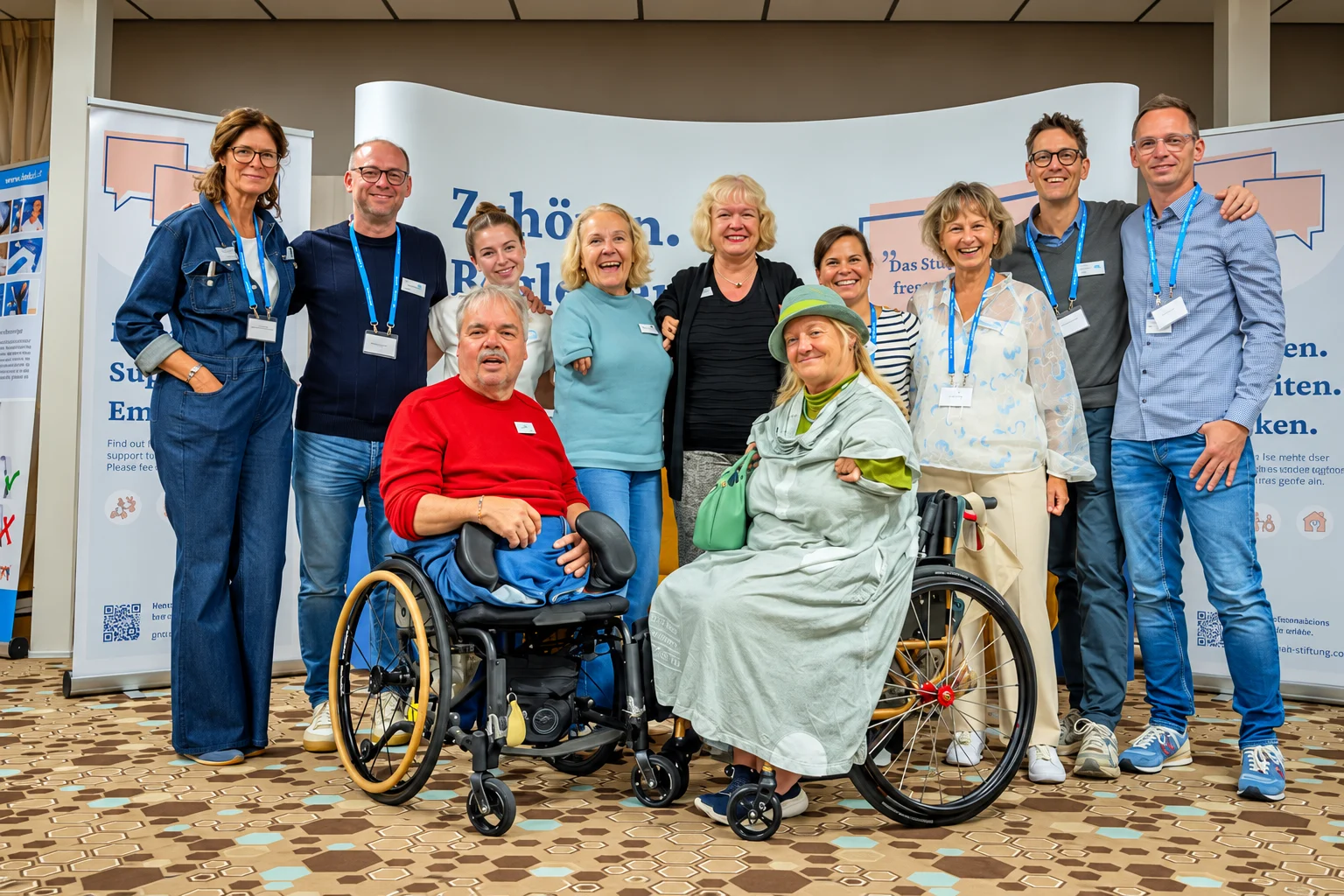
Advice and Information at the “Egmond Circle”
In the workshop “Your Support Network” on October 29, 2026, Geraldine Freeman presented different pathways to support